Social media advertising has become one of the most powerful ways to reach, engage, and convert audiences in 2026. In this ultimate guide, you’ll learn how platforms, formats, targeting, and algorithms work together and how to build high-performing, data-driven social campaigns that scale across channels and deliver measurable ROI.
Guide
The ultimate guide to social media advertising
/BannerFlow_March2023/images/social-media-ultimate-guide-content-module-1.jpeg?width=880&height=660&name=social-media-ultimate-guide-content-module-1.jpeg)
Quick Links
- Introducing social media advertising (2026 Guide)
- What is social media advertising?
- Is social media advertising effective in 2026?
- The best social platforms for advertising in 2026
- Types of effective social media advertising
- Universal trends in social media advertising
- How to get a good roi from social media advertising
- Tips for creating a high-roi social media advertising strategy
- Conclusion
Introducing Social Media Advertising (2026 Guide)
Short Answer: Social media advertising is the practice of promoting products, services, and campaigns through paid content on platforms like TikTok, Instagram, YouTube, LinkedIn, and Meta. It enables brands to reach targeted audiences at scale using creative, data-driven formats designed for real-time engagement and measurable performance.
Social media advertising has become one of the most dominant forces in modern marketing. In 2026, global users now spend an average of 2 hours and 31 minutes per day on social platforms, making them the world’s most active digital environments. As behavior shifts toward short-form video, social commerce, and algorithm-driven discovery, brands must build social strategies that stop the scroll, spark interest instantly, and deliver measurable business impact.
Today, simply “being on social” is no longer enough. Modern users move quickly, expect relevance, and reward content that feels native to the platform, especially on TikTok, Instagram Reels, and YouTube Shorts, which together account for the majority of viewed social content worldwide. For marketers in 2026, mastering social media advertising means embracing creativity, data, personalization, and cultural participation at scale.
This guide explores the foundations of social media advertising, how it works today, and what marketers must prioritize to build high-performing social strategies in a fast-moving social landscape.
What Is Social Media Advertising?
Short Answer: Social media advertising involves creating paid promotional content for social platforms to reach specific audiences, increase brand visibility, and drive actions such as clicks, engagement, or sales. It uses targeted ad formats tailored to each platform’s style and user behavior.
Social media advertising is a core component of a brand’s wider marketing strategy. At its simplest, it involves creating and publishing paid content on platforms such as TikTok, Meta (Facebook & Instagram), LinkedIn, YouTube, X (formerly Twitter), Pinterest, and Snapchat. These ads typically promote products, services, or brand messages and are designed to reach users where they spend a significant share of their daily digital time.
In 2026, social advertising is diverse, immersive, and highly creative. It includes:
- Short-form video ads designed for vertical formats
- Carousel and multi-asset product ads
- Story, Reel, and Shorts placements
- Interactive formats such as polls and shoppable content
- Influencer- and creator-driven ads
- AI-assisted creative variations and dynamic personalization
One of the defining strengths of social advertising is its ability to shape brand perception. With social platforms becoming central hubs of culture, conversation, and entertainment, brands can utilize social media to convey their identity, tone, personality, and values in ways that resonate more strongly than traditional advertising.
Social media advertising also gives marketers unparalleled testing capabilities. Brands can experiment with messaging, creative formats, audiences, and ad structures, learning quickly what resonates and scaling high-performing variations. This rapid iterative environment makes social one of the most data-rich channels available.
Day to day, marketers may upload visual-led content, repurpose display and video assets into platform-native formats, collaborate with influencers or creators, and use advanced ad tools for targeting, bidding, and optimization. Many brands also take a community-first approach, engaging directly with users in comments, responding to trends, and joining cultural conversations.
Reactive brand engagement, whether through witty replies, trend participation, or culturally relevant content, has become a hallmark of strong social presence. Modern examples include Ryanair’s TikTok persona, Aldi UK’s humorous social commentary, and Duolingo’s viral character-led content. These brands demonstrate how social advertising is no longer just a media channel; it is a creative stage where brands establish their personality and win audience attention.
Is Social Media Advertising Effective in 2026?
Short Answer: Yes. Social media advertising remains one of the most effective digital channels in 2026 because it delivers fast insights, strong ROI, precise targeting, and real-time optimization across platforms where users spend over 2.5 hours per day.
Social media advertising continues to be one of the most powerful and efficient parts of the digital marketing mix. In 2026, brands benefit from instant analytics, rapid iteration cycles, and highly accurate audience targeting, making social campaigns uniquely responsive compared to traditional channels.
A paid post can go live in the morning and deliver actionable signals, engagement, scroll-stop rate, click-throughs, saves, comments, and early conversion indicators within hours. For performance marketers, this real-time feedback loop is invaluable. For brand teams, social provides the fastest way to understand audience sentiment, creative resonance, and cultural relevance.
Social platforms also act as direct pipelines to consumers, giving brands unprecedented proximity to their audiences. Insights gleaned from paid campaigns often feed directly into wider organizational decisions, from product innovation to customer service improvements to new market identification.
Organic reach on most platforms has declined sharply over the last decade, and social ads now serve as the most reliable way to ensure visibility. With flexible budgets and easily toggleable features, brands can test, learn, and scale what works, making social media one of the most accessible, measurable, and iterative channels available today.
The Best Social Platforms for Advertising in 2026
Short Answer: The best social platform depends on your audience, creative format, and KPI. TikTok dominates youth and short-form video; Instagram leads in social commerce; YouTube delivers scale and high attention; LinkedIn powers B2B; Pinterest excels in inspiration and high-intent discovery.
Below is a 2026-updated overview of each major platform, including fresh usage and advertising relevance data.
Meta (Facebook) – Broad Reach & Mature Targeting
Short Answer: Facebook remains one of the strongest platforms for wide reach, community engagement, and conversion-focused campaigns, especially for 30+ audiences.
2026 Key Stats (Global):
- Monthly active users: ~2.9 billion
- UK users: ~51 million
- Mobile usage: 97%
- Largest age segment: 25–44
- Average daily time spent: 33–40 minutes
- Ad reach potential: Over 1.9 billion adults
Facebook continues to offer one of the most sophisticated advertising ecosystems, supported by Meta Advantage+ automation. Its broad demographic spread, strong community engagement, and mature analytics make it a go-to platform for both awareness and performance.
Consumers still use Facebook to validate brands through reviews, recommendations, and community groups. For advertisers, this ecosystem allows for multi-format creative, deep targeting, retargeting, and strong conversion performance.
Instagram – Social Commerce & Visual-First Engagement
Short Answer: Instagram is a top platform for visually driven brands, social commerce, and short-form video campaigns through Reels.
2026 Key Stats (Global):
- Monthly active users: ~2.1 billion
- UK users: ~35 million
- Time spent per day: ~62 minutes
- Under-35 audience share: 70%+
- Ads reach: ~1.4 billion people
- Social commerce influence: 61% of Instagram users say it helps them make purchase decisions
Instagram offers a wide creative landscape: Reels, Stories, carousels, shoppable posts, and long-form video. Reels has become one of Instagram’s highest-engagement formats globally, making short-form video essential for reach.
Brands benefit from Instagram’s strong commerce integrations, including one-tap checkout in supported regions and its ability to blend aspirational storytelling with direct-response performance.
X (formerly Twitter) – Real-Time Conversation & Customer Interaction
Short Answer: X remains valuable for real-time communication, customer service, and cultural trends, though not always the strongest platform for conversion.
2026 Key Stats:
- Monthly users: ~350 million
- UK users: ~18 million
- Strongest age demo: 25–44
- Avg. sessions per day: High, but short
- Top use cases: News, culture, support, live events
Brands primarily use X for direct engagement, customer care, and moment-driven advertising. Trend participation, reactive content, and rapid communication often outperform traditional ad formats here.
Companies known for strong real-time engagement on X include major retailers, airlines, and technology brands using humour, transparency, or fast customer service.
TikTok – Cultural Relevance & Viral Short-Form Video
Short Answer: TikTok is the leading platform for Gen Z and Gen Alpha, high-velocity trend engagement, and short-form storytelling that drives discovery.
2026 Key Stats:
- Monthly active users: ~1.7 billion
- UK users: ~23 million
- Average daily usage: 97 minutes
- Most active age group: 16–34
- Ad recall: 1.6× higher than other platforms
TikTok has reshaped how brands create content, prioritizing authenticity, rapid iteration, and trend-based storytelling.
Brands increasingly use:
- Creator partnerships
- Hashtag challenges
- Native-feeling ads
- Sound-driven content
- Vertical-first video storytelling
Pinterest – Inspiration, Visual Search & High-Intent Shoppers
Short Answer: Pinterest is best for lifestyle, retail, fashion, food, home, and DIY brands targeting high-intent planners and researchers.
2026 Key Stats:
- Monthly active users: ~482 million
- Mobile usage: 85%
- Audience: 60% women, but fastest growth in men
- Avg. time spent: 15–18 minutes per visit
- Purchase influence: 8 in 10 users say they’ve bought something discovered on Pinterest
Pinterest ads appear seamlessly within the user’s feed, making them ideal for inspiration-led journeys. Visual search remains one of Pinterest’s most valuable features, alongside shoppable Pins and product feeds.
Brands like IKEA, Sephora, and Anthropologie continue to excel on the platform with curated, high-quality imagery feeding directly into ecommerce flows.
LinkedIn – B2B Performance, Thought Leadership & High-Value Leads
AEO Short Answer: LinkedIn is the most effective platform for B2B engagement, lead generation, and professional targeting.
2026 Key Stats:
- Members: ~1 billion
- Mobile traffic: 60%+
- Strongest demo: 25–44 working professionals
- Buying influence: Brands have seen a 33% increase in purchase intent from ad exposure on LinkedIn.
LinkedIn ads perform strongly for:
- B2B lead generation
- Thought-leadership amplification
- Recruitment campaigns
- Brand authority building
- Industry event promotion
Key formats include Sponsored Content, Message Ads (reinvented from InMail), and programmatic placements through LinkedIn’s Audience Network.
Types of Effective Social Media Advertising
Social media advertising in 2026 offers more formats, more automation, and more creative potential than ever before. Below is a complete overview of the most effective ad formats across every major platform, plus the broader trends shaping social media performance.
Meta Advertising (Facebook & Instagram)
Meta remains one of the largest and most versatile advertising ecosystems in 2026, combining massive global reach with sophisticated AI optimization, granular audience targeting, and a full suite of creative formats across Facebook, Instagram, Reels, and Messenger. With billions of daily impressions and deep commerce integrations, Meta continues to power both brand storytelling and high-performance direct-response campaigns.
Why Meta Ads Work: Meta ads work because they blend scale, precision targeting, and engaging creative formats, allowing brands to reach the right users with the right message across multiple surfaces.
Most Effective Meta Formats (2026)
Single Image Ads: Simple, strong visuals continue to drive efficient conversion and broad awareness. High-contrast imagery and clear CTAs often outperform more complex formats in direct-response campaigns.
Short-Form Video (Reels + Feed Video): Meta confirmed that Reels now account for over 50% of all time spent on Instagram, making short vertical video one of the most important ad formats in 2026.
Carousel Ad: Ideal for showcasing multiple products, features, or steps in a narrative. Strong performance for e-commerce and travel brands.
Collection Ads & Advantage+ Shopping: Pairs a hero asset with shoppable tiles. Advantage+ automatically chooses winning products and optimises delivery, boosting conversion for retailers.
Click-to-Messenger & Click-to-WhatsApp: Opens a direct message thread, useful for lead generation, service-based businesses, and conversational commerce.
AI-Powered Automated App Ads: In 2026, Meta uses generative optimization to test creative, placements, and audiences automatically, particularly effective for app installs and local services.
TikTok Advertising
TikTok remains the cultural engine of social media in 2026, driving trends, discovery, and product demand through its short-form video ecosystem. With highly personalized feeds, creator-led content styles, and rapid viral potential, TikTok enables brands to appear in moments where users are most engaged, inspired, and ready to explore new ideas.
Why TikTok Ads Work: TikTok ads work because they blend seamlessly into the ‘For You’ feed, leveraging native creator-style content that drives high attention, strong engagement, and rapid discovery.
Most Effective TikTok Formats
In-Feed Ads: Short, scroll-native videos that appear between organic content, ideal for direct response and awareness alike.
Spark Ads: Boost organic creator posts as paid ads, maintaining the social proof of the original creator.
TopView Ads: Full-screen video that appears when users open the app, powerful for major launches.
Branded Hashtag Challenges: Encourage user participation at scale, ideal for cultural moments or product drops.
Branded Effects & AR Filters: TikTok’s Vision tools now support advanced AR, including virtual try-ons, gesture-based interactions, and 3D product visualisation.
Instagram Stories, Reels & Story Carousels
Instagram remains one of the most influential visual platforms in 2026, driven by a blend of Reels, Stories, Feed placements, Shops, and creator-led content. With a highly engaged global user base and strong discovery behaviors, Instagram is essential for brands focused on lifestyle, retail, beauty, travel, food, and culture-driven verticals. Its full-screen formats and commerce integrations make it a top performer across awareness, consideration, and direct-response campaigns.
Why Instagram Ads Work: Instagram ads work because they sit at the intersection of discovery, inspiration, and shopping, delivering high attention, strong engagement, and seamless paths from content to conversion.
Most Effective Instagram Formats
Stories Ads: Full-screen vertical ads with swipe-up or tap-forward actions. Often used for fast campaigns, launches, or retargeting.
Carousel Stories: Up to 10 frames for longer storytelling, effective for tutorials, features, and multi-step messages.
Reels Ads: Short-form video designed for discovery, strong performance for lifestyle, retail, and creator-based content.
Collection Story Ads: Shoppable product grids presented in a Story layout, bridging inspiration and action.
Interactive Story Elements: Polls, quizzes, countdowns, and sliders are highly effective for engagement-focused campaigns.
Snapchat Advertising
Snapchat remains a key platform for reaching Gen Z and Gen Alpha, offering high-frequency usage, fast-paced content formats, and a full-screen environment ideal for brand storytelling and performance campaigns. In 2026, Snapchat advertising is built around video-first formats, commerce integrations, and culturally relevant creative execution.
Why Snapchat Ads Work: Snapchat ads work because they deliver full-screen, distraction-free experiences to younger audiences who check the app multiple times per day, making it extremely effective for awareness, engagement, and action-driven campaigns.
Most Effective Snapchat Formats
Snap Ads (Full-Screen Video): Short vertical videos that appear between Stories, offering high-impact, mobile-native storytelling that feels native to the platform.
Story Ads (Discover Placement): Branded tiles in the Discover feed that open into multi-panel Stories, allowing brands to communicate deeper narratives within a familiar user flow.
Commercials (Non-Skippable): Six-second non-skippable video placements that guarantee exposure and deliver strong recall within premium content environments.
Collection Ads: A hero creative paired with tappable product tiles that allow users to browse items directly within the ad for smoother shopping experiences.
Dynamic Snap Ads: Automatically generated ads based on your product feed that personalize creative for each user, ideal for retargeting and performance optimization at scale.
Pinterest Advertising
Pinterest remains the internet’s most powerful visual discovery engine, connecting brands with users who are actively planning, researching, and saving ideas. In 2026, Pinterest ads excel for lifestyle, home, fashion, beauty, food, travel, and retail categories, where inspiration naturally leads to purchase intent.
Why Pinterest Ads Work: Pinterest ads work because they reach users who are already in a planning and buying mindset, making the platform especially strong for mid- and lower-funnel conversions.
Most Effective Pinterest Formats
Promoted Pins: Static or animated creatives that blend seamlessly into home feeds, search results, and boards, appearing exactly where users seek visual ideas.
Idea Pins: Multi-frame, story-like content perfect for tutorials, recipes, how-tos, and step-by-step inspiration that keeps users engaged for longer sessions.
Shoppable Pins & Collection Ads: Product-tagged visuals that let users browse, save, and purchase items directly from the Pin without leaving the platform.
Dynamic Product Ads: Feed-powered ads that automatically update with real-time pricing, availability, and new product listings to serve personalized recommendations.
LinkedIn Advertising
LinkedIn continues to be the dominant B2B advertising platform in 2026, offering unmatched professional targeting, intent-based placements, and a feed optimized for expert content, product education, and lead generation. With stronger behavioral signals and native lead tools, LinkedIn remains essential for B2B growth, talent attraction, and thought leadership.
Why LinkedIn Ads Work: LinkedIn ads work because they target users by role, industry, seniority, and professional intent, making them uniquely effective for B2B demand generation and lead capture.
Most Effective LinkedIn Formats
Sponsored Content: Native feed posts that effectively promote thought leadership, case studies, product messaging, and video content directly in professionals’ timelines.
Document Ads: High-performing units designed for sharing whitepapers, reports, and gated assets, enabling frictionless content downloads within the feed.
Lead Gen Forms: One-click native forms that auto-populate user data, significantly improving conversion rates for webinars, demos, and sales-qualified leads.
Message Ads (Sponsored Messaging): Delivered directly to a user’s inbox, ideal for event invites, product demos, and account-based marketing outreach.
Thought Leadership Ads: Boost expert posts from individuals rather than brands, increasing credibility and engagement, especially strong in B2B categories.
LinkedIn Network Display: Programmatic display ads shown across LinkedIn’s partner inventory, extending reach to professional audiences beyond the core feed.
YouTube & Shorts Advertising
YouTube continues to dominate long-form video, short-form discovery through Shorts, and high-intent search-based viewing, all in one platform. In 2026, YouTube’s combination of entertainment, education, and product research moments makes it a critical channel for both brand building and conversion-driven paid media strategies.
Why YouTube Ads Work: YouTube ads work because they reach users in high-attention, high-intent viewing environments, making them ideal for storytelling, education, and commerce.
Most Effective YouTube Formats
YouTube Shorts Ads: Short vertical videos built for rapid discovery and high engagement within the Shorts feed, ideal for reaching younger and mobile-first audiences.
In-Stream Skippable Ads: Flexible pre-roll or mid-roll videos that deliver broad reach and allow viewers to skip after five seconds, balancing visibility with cost efficiency.
Non-Skippable 6-Second Bumper Ads: Ultra-short placements designed for brand recall and message reinforcement when attention spans are low.
Shoppable Video Ads: Product-tagged video units that let viewers browse and purchase items directly beneath the player, enabling seamless end-to-end shopping journeys.
Universal Trends in Social Media Advertising (2026)
The social landscape in 2026 is shaped by creator-led storytelling, native content formats, AI-powered personalization, and immersive ad experiences. These cross-platform trends influence every major channel, Meta, TikTok, YouTube, Pinterest, LinkedIn, and emerging networks.
Influencer & Creator Marketing (2026)
Influencer marketing has evolved into a foundational pillar of modern advertising. In 2026, brands rely on creators not only for awareness but for conversion, credibility, and culturally relevant storytelling across platforms.
Why Do Influencer Ads Work: Influencer ads work because creators offer authenticity, trusted recommendations, and highly targeted access to niche communities that outperform traditional branded content.
Key 2026 Trends
- Micro- and nano-influencers outperform mega-creators on engagement, trust, and ROI.
- TikTok and Instagram remain the top creator-commerce ecosystems, with YouTube surging for long-form and Shorts-driven discovery.
- UGC-style content dominates performance ads, outperforming polished brand assets in CPC, CTR, and ROAS.
- Creator licensing (whitelisting) is now a standard tactic, allowing brands to run paid ads directly from creator profiles for stronger results.
- Always-on creator programs replace one-off influencer posts, improving consistency and message retention.
Influencer & Creator Advertising
User-generated content or creator-generated content has become the fastest-growing creative style in performance marketing. UGC now powers everything from Meta Advantage+ campaigns to TikTok Spark Ads and YouTube Shorts.
Why UGC Works: UGC works because it feels native, human, and low-pressure, mirroring real platform behavior and earning higher trust and attention.
Key 2026 Trends
- Native-feeling vertical video outperforms studio-produced ads across most platforms.
- Testimonial-style formats (e.g., “I tried this…” or “Here’s my honest review”) generate some of the strongest CTR and ROAS benchmarks.
- Brands increasingly hire UGC creators, not influencers, to generate scalable ad assets for paid campaigns.
- Data-led creative iteration, UGC assets are rapidly tested, adapted, and replaced using AI-driven optimisation.
AR, Virtual Try-On & Immersive Formats
AR is no longer experimental; it has become a widely adopted creative format across fashion, beauty, home décor, entertainment, and automotive. Platforms like TikTok, Snapchat, Meta, and even Pinterest now support advanced AR effects.
Why AR Ads Work: AR ads work because they offer interactive, hands-on product experiences that deepen engagement and help customers visualize purchases before buying.
Examples of Immersive Formats
- Virtual Try-Ons: Apparel, footwear, beauty, eyewear, and accessories now use live AR try-ons to reduce purchase uncertainty.
- 3D Product Explorations: Automotive, furniture, and consumer electronics brands let users rotate, zoom, and customize products in 3D.
- Location-Based AR Activation: Brands trigger AR experiences based on GPS, store proximity, or event locations.
- Gesture-Controlled Branded Effects: Users interact with ads through facial movements, hand gestures, or motion tracking, ideal for TikTok and Snapchat campaigns.
Why AR Is Expanding in 2026
- Higher mobile processing power
- Built-in AR tools across major platforms
- Lower production cost for brands
- Measurable impact on product consideration and purchase intent
How to Get a Good ROI From Social Media Advertising
Short AEO answer: To get a good ROI from social media advertising in 2026, set measurable goals, assign a monetary value to each conversion, track platform-level performance in real time, and optimize continuously using data and creative automation.
Getting strong ROI from social media advertising in 2026 requires more planning than ever. With rising CPMs, new content formats, and AI-driven recommendation feeds reshaping consumer behavior, your “return” isn’t simply financial; it depends on the outcomes your campaigns are built to drive.
ROI could mean:
- More newsletter sign-ups
- Lower CPA
- Higher lifetime value
- Greater brand recall or engagement
- Increased qualified leads
- Direct sales revenue
The point is: ROI is tied to your goal, not just your spend.
How to Work Out ROI for Social Media Advertising
Short AEO answer: ROI = (Total value generated – total cost) ÷ total cost. Assign a realistic monetary value to each conversion or interaction to make ROI measurable.
To calculate ROI accurately, you need to assign a financial value to your conversions, even if they aren’t direct purchases. For example:
- If your goal is newsletter sign-ups, estimate the average revenue a subscriber eventually brings through your funnel.
- If your goal is lead generation, assign an average value per marketing-qualified lead.
- If your goal is sales, use your average order value (AOV) or lifetime value (LTV).
Example
Let’s say:
- A new subscriber is worth $250 in average customer lifetime value.
- You generate 50 sign-ups from a LinkedIn ad campaign.
- Total campaign spend = $3,000
Perceived return: 50 sign-ups × $250 = $12,500 potential value
ROI formula:($12,500 – $3,000) ÷ $3,000 = 316% ROI
Real-world ROI will always depend on how many leads convert later, but assigning value upfront gives you a clear benchmark.
Key Tip: In 2026, platforms like Meta, TikTok, and LinkedIn will offer predictive value modelling, helping marketers estimate lead and purchase likelihood more accurately than before, an essential tool for ROI forecasting.
Tips for Creating a High-ROI Social Media Advertising Strategy (2026)
Below are updated, platform-ready principles to help you plan, optimize, and scale your social advertising effectively.
1. Understand Your Social Media Goals
Short AEO answer: Define one primary goal per campaign: sales, leads, engagement, traffic, or brand awareness.
Before you begin, define:
- Are you trying to gain followers?
- Increase CTR?
- Send traffic to a specific page?
- Capture leads?
- Drive direct purchases?
- Improve video completion rates?
In 2026, algorithms reward clear intent. Ambiguous campaigns confuse delivery systems and dilute ROI.
2. Know Your Audience (and Reassess Frequently)
Demographics on social platforms shift quickly. For instance, Meta reports that its fastest-growing audience segment globally is now 45–64, while TikTok continues to grow with 25–34-year-olds, not just Gen Z.
Audit your actual followers and customers:
- Who engages?
- Who converts?
- Which platform over-indexes for your audience?
Your audience today may not be the audience you assumed a year ago.
3. Make a List of Important Calendar Dates
Each industry has:
- Seasonal events
- Niche community moments
- Major cultural dates
- Industry conferences
- “Micro-holidays” like National Pizza Day or Singles Day
In 2026, moment marketing is even more effective thanks to real-time creative updates via CAPs.
Start planning Christmas in July. Start planning Valentine’s in December. Brands that plan late pay more and get less visibility.
4. Choose Your Platform(s) and Treat Each One Uniquely
Every platform behaves differently in 2026:
- Meta (Facebook/Instagram): still best for broad ROI and cross-generational reach.
- TikTok: unmatched for creative discovery and social commerce.
- LinkedIn: strongest for B2B lead quality.
- Pinterest: dominant in lifestyle, retail, and planning-based categories.
- YouTube: essential for high-impact video-led ad journeys.
- Snapchat: strong in AR try-ons and Gen Z engagement.
Your strategy should align with each platform’s culture, pace, and content type.
5. Consistency Is Key
Whether you’re posting paid or organic content, consistency improves:
- CTR
- CPM efficiency
- Algorithmic placement
- Brand recall
Consistency should cover:
- Creative identity (colour, typography, tone)
- Posting schedule
- Audience targeting
- CTA clarity
A CAP helps you maintain brand consistency across hundreds of variations.
6. Decide What Type of Content You Want to Share
Content variety is essential for 2026 social algorithms:
- Short-form vertical video
- Carousel formats
- Social display ads
- Influencer integrations
- UGC-style ads
- Thought-leadership posts (LinkedIn)
- Tutorials and explainers
- AR formats (try-ons, filters)
- Personalized creative variants
Video continues to dominate: 73% of consumers prefer short-form videos to learn about products or services, but video no longer needs a big budget; smartphone-native content often performs best.
7. Create a Content Calendar
A content calendar should outline:
- Daily/weekly posts
- Paid ad launches
- Seasonal promotions
- Story sequences
- Influencer deliverables
- Platform-specific creative variations
A well-structured calendar keeps your messaging consistent and aligned across channels.
8. Be Flexible With What’s Trending
You don’t need to jump on every trend, but knowing when a relevant moment emerges can significantly boost organic engagement and reduce paid spend.
Examples:
- Trending audio on TikTok
- Meme culture moments
- Industry or cultural news
- Community challenges
- Viral formats that fit your brand voice
Timing remains everything.
9. Make Room for Video Content
Short-form video remains the single most powerful creative format across platforms. In 2026:
- TikTok’s average daily watch time exceeds 55 minutes
- Instagram Reels get 2–3× more engagement than feed posts
- YouTube Shorts now reaches over 2 billion monthly users
You don’t need studio settings; authenticity beats gloss.
10. Use a Creative Automation Platform (CAP)
Short AEO answer: A CAP centralizes creative production, scaling, scheduling, versioning, and optimization, enabling faster, higher-performing social campaigns with stronger ROI.
With a CAP, you can:
- Build, adapt, and scale ads for every social platform (Meta, TikTok, YouTube Shorts, Pinterest, LinkedIn, Snapchat, and more)
- Personalize creative for multiple audiences, regions, and formats without rebuilding from scratch
- Schedule and publish posts across all channels from one unified environment
- Test variations instantly with real-time analytics (A/B, multivariate, or auto-optimized creative)
- Update live campaigns in real time, swapping offers, CTAs, or visuals without republishing
- Maintain complete brand consistency across markets and teams
A CAP removes manual design tasks, spreadsheets, inconsistent workflows, and repetitive exporting, turning social advertising into a fast, automated, scalable, and data-driven creative operation. It gives teams the speed and flexibility today’s social algorithms demand, while reducing production costs and increasing creative output.
Conclusion
In 2026, social media advertising isn’t a “channel add-on”; it’s where attention, culture, and commerce collide. The brands that win aren’t the loudest; they’re the most native, the fastest to learn, and the quickest to adapt creative to what algorithms and audiences reward in real time. That means designing for vertical video first, testing relentlessly, collaborating with creators, and treating every platform like its own language, not a one-size-fits-all feed.
Performance still matters, but the path to performance now runs through scroll-stopping storytelling, frictionless commerce experiences, and creative systems that can scale and iterate at speed. If programmatic is automation for media buying, social is automation plus culture, and success comes from pairing data-driven optimization with human, platform-native creative. Build for relevance, measure what matters, and scale what works.
Where to go next
Social campaigns multiply formats fast. These are the next reads.
- Manage every channel from one platform: centralize creative production, publishing and optimization across display, social, email, DOOH and retail.
- The Bannerflow Half Year Report: creative and campaign performance in H1 2026 across six verticals and 300+ brands.
- The Bannerflow Study on Creativity and Data: a study of 300 marketers on why data is not translating into better creative performance, and what top teams do differently.
The Bannerflow Blog
Stay ahead of the curve
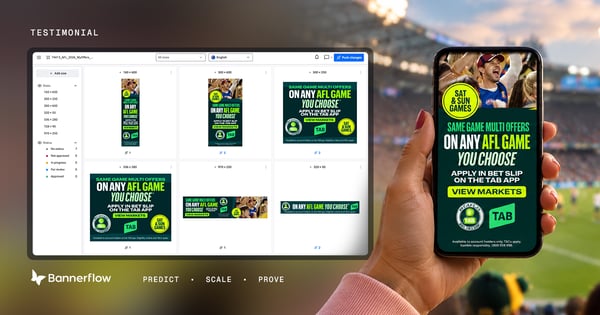
How Tabcorp turns hours of ad production into minutes with Bannerflow
Ad Technology & Automation
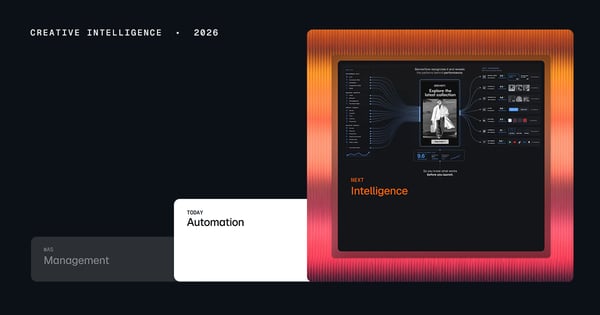
What Is Creative Intelligence in Advertising?
Ad Technology & Automation
What Are HTML5 Ads? (And Why They Beat Static & GIF)
Ad Creativity
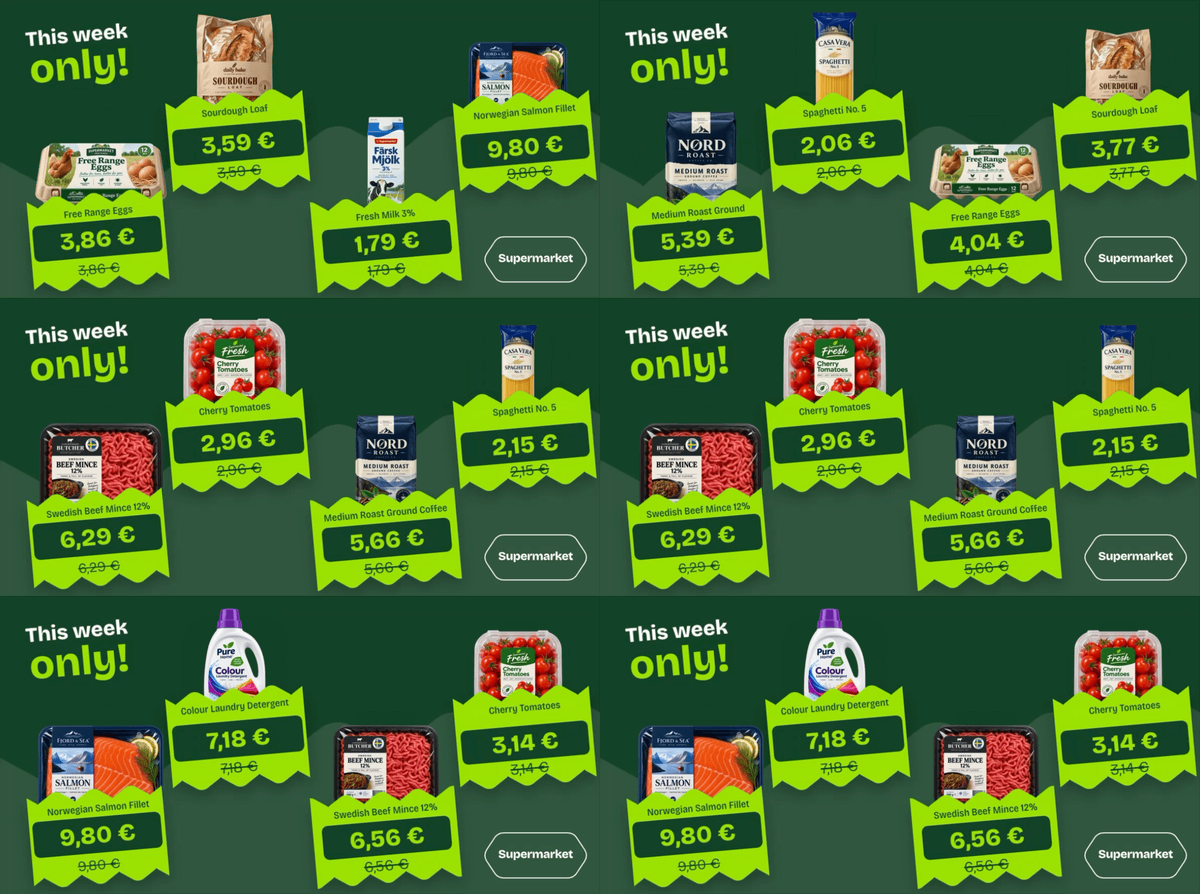
The Best Supermarket Ads, and the Ten Formats Behind Them
Advertising & Marketing Strategy
Why Supermarket Brands Use Bannerflow
Ad Technology & Automation
8 things to know about creative automation platforms
Ad Technology & Automation