
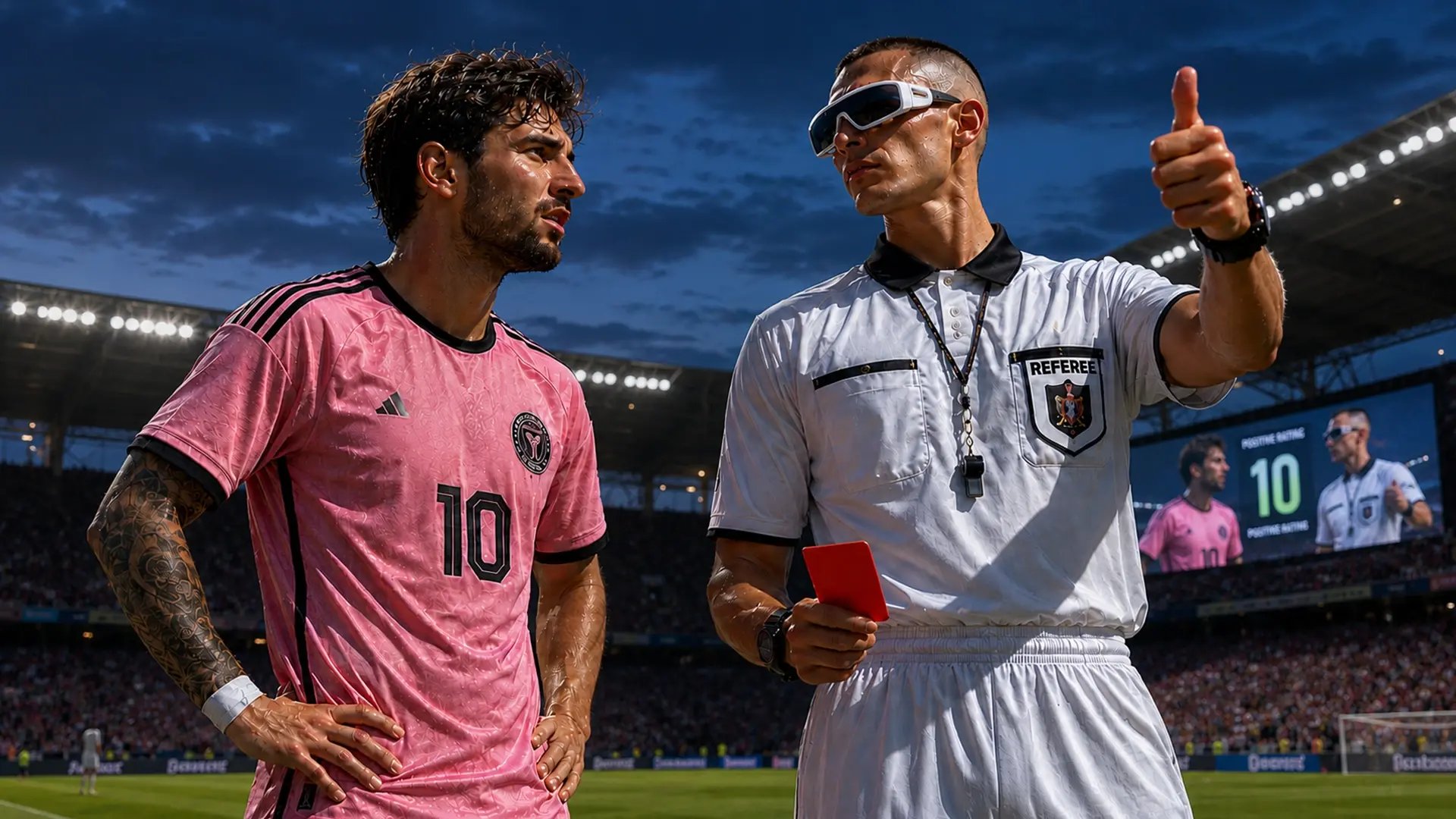
The FIFA World Cup is one of the biggest opportunities in marketing, giving brands a chance to reach billions of people during a shared global moment. But the most memorable campaigns don't just feature football: they tap into the emotion, passion, and cultural significance that make the tournament so special.
Over the years, brands have taken very different approaches. Some have focused on blockbuster storytelling, others on fan culture, humour, nostalgia, or purpose-driven messaging. The best campaigns have gone beyond advertising to become part of the World Cup conversation itself.
The Best World Cup Campaigns of All Time
In this article, we revisit some of the greatest World Cup advertising campaigns of all time and explore what made them so successful - from the strategies behind them to the impact they had on audiences and the industry.
Nike: “Write the Future” (2010)
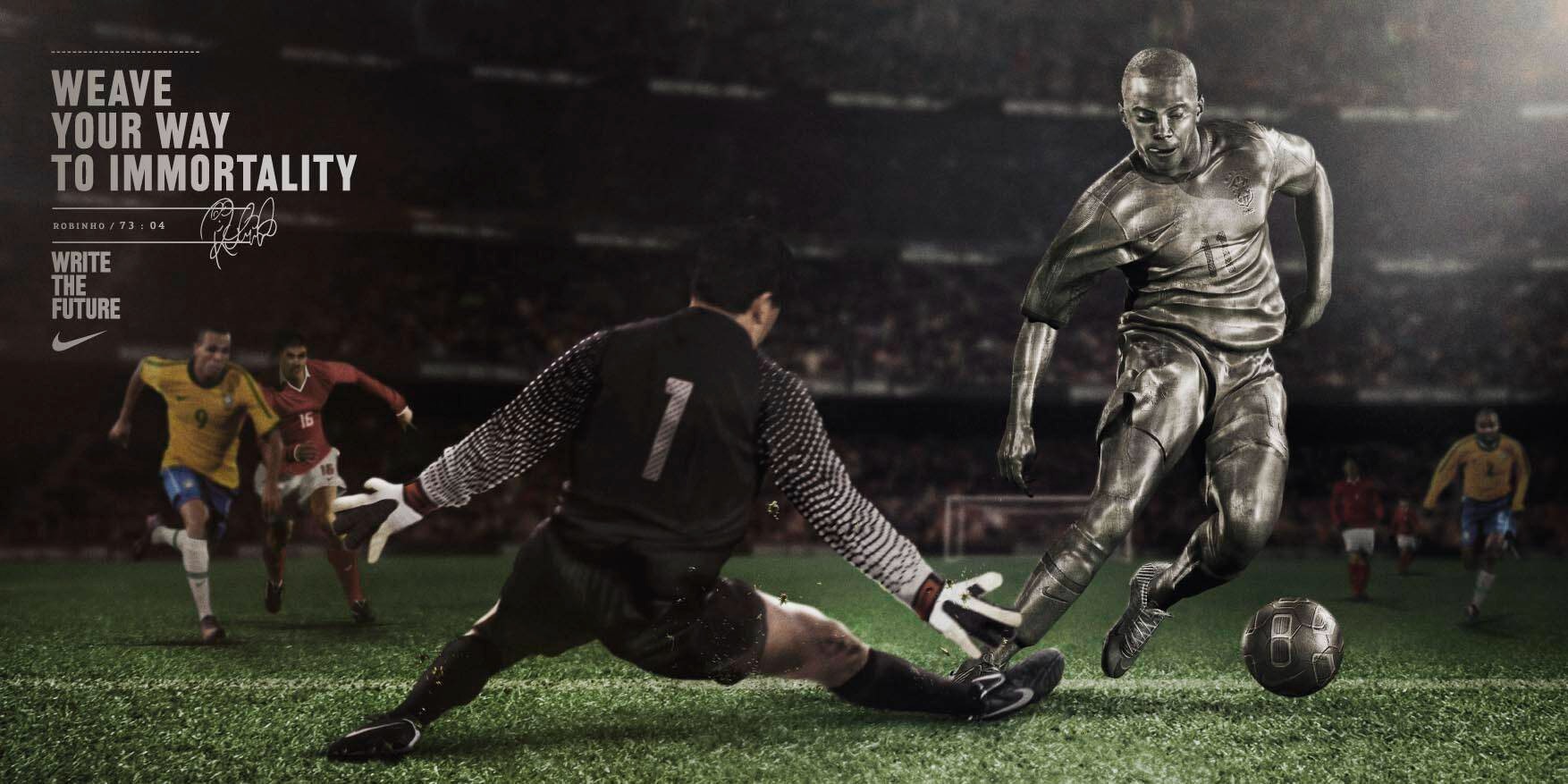 Nike, 'Write The Future' Campaign
Campaign Overview
Few World Cup campaigns have had the cultural impact of Nike's Write the Future. Released ahead of the 2010 FIFA World Cup, the ad imagined how a single moment on the pitch could completely change a player's destiny. A missed tackle could trigger national disappointment, while a successful pass could launch a player into global superstardom.
Featuring football icons including Cristiano Ronaldo, Wayne Rooney, Didier Drogba, Ronaldinho, and Fabio Cannavaro, the campaign transformed football into a cinematic spectacle. More importantly, it proved that a brand didn't need official tournament sponsorship rights to dominate the conversation.
Why the Campaign Worked
Write the Future succeeded because it tapped into something every football fan understands: the idea that entire careers can be defined by a single moment.
Rather than focusing on products or even football itself, Nike focused on pressure, legacy, and possibility. The campaign elevated athletes into cultural icons and framed the World Cup as a stage where history is written in real time.
The ad also arrived at a pivotal moment in digital culture. Designed to be shared online, replayed repeatedly, and discussed across social platforms, it quickly became one of the most talked-about sports advertisements ever created.
Core Marketing Strategy
Nike's strategy centered on emotional storytelling rather than sponsorship visibility.
The campaign used blockbuster-style production, global football stars, and a narrative built around consequence and destiny. Crucially, Nike leveraged what marketers now call ambush marketing - capturing audience attention during the World Cup without being an official FIFA sponsor.
By focusing on culture instead of sponsorship rights, Nike effectively became one of the defining voices of the tournament.
Campaign Impact and Results
The campaign generated tens of millions of views within weeks of launch and became one of the most watched sports advertisements of its era.
More importantly, it shifted expectations for sports marketing. Brands no longer needed to simply sponsor an event - they could create entertainment powerful enough to become part of the event itself.
More than a decade later, Write the Future is still widely regarded as one of the greatest sports advertisements ever made.
Samsung: “Galaxy 11” (2014)
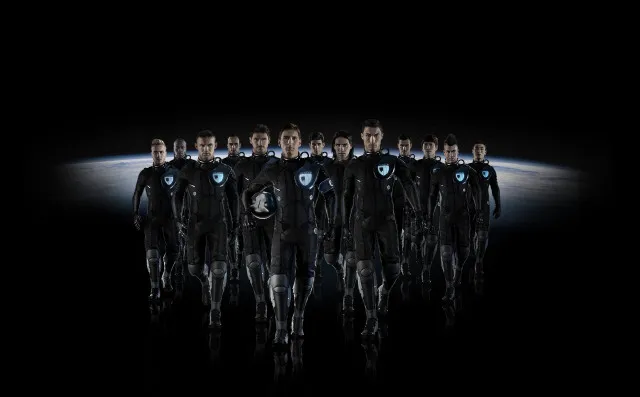
Samsung, Galaxy 11 World Cup Campaign
Campaign Overview
Samsung's Galaxy 11 wasn't a football campaign so much as a science-fiction franchise disguised as advertising.
The campaign imagined Earth under attack from an alien race, with Lionel Messi tasked with assembling a team of the world's greatest footballers to save humanity. Through a series of films, digital experiences, and interactive content, Samsung transformed a product campaign into an ongoing story that fans could follow throughout the World Cup.
It was ambitious, unapologetically dramatic, and unlike anything else being produced around the tournament.
Why the Campaign Worked
What made Galaxy 11 memorable was its commitment to entertainment.
Rather than creating a traditional sponsorship campaign, Samsung built an entire narrative universe around football. Fans weren't just watching an ad - they were following a storyline, learning about characters, and anticipating what would happen next.
At a time when many brands were still focused on short-form campaign films, Samsung demonstrated how long-form storytelling could drive deeper engagement.
Core Marketing Strategy
Samsung adopted a branded entertainment strategy, borrowing techniques more commonly associated with film studios than advertisers.
The campaign combined world-building, episodic storytelling, celebrity athletes, digital content, and interactive experiences to create a multi-channel ecosystem. Technology was positioned as part of the story rather than the hero of the story, making the brand feel innovative without relying on product features.
Campaign Impact and Results
Galaxy 11 generated significant global awareness and became one of the most talked-about non-sportswear campaigns of the 2014 World Cup.
The campaign is frequently cited as an early example of successful branded entertainment and helped pave the way for the content-driven marketing strategies many brands use today.
Adidas: All In or Nothing (2014)
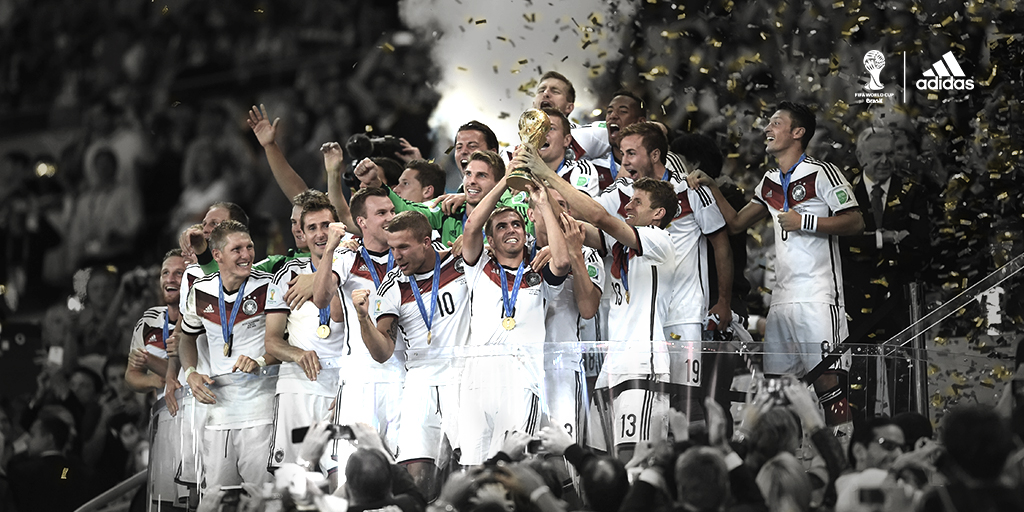
Adidas, 'All In or Nothing' Campaign
Campaign Overview
Released ahead of the 2014 FIFA World Cup, Adidas' All In or Nothing campaign captured the energy, emotion, and unpredictability of football culture.
Featuring stars including Lionel Messi, Luis Suárez, Dani Alves, and Mesut Özil, the campaign combined fast-paced visuals with music, fashion, and youth culture to create a vibrant expression of football obsession.
Rather than telling a single story, Adidas built a content ecosystem designed to thrive across social media and digital platforms.
Why the Campaign Worked
The campaign reflected how audiences were increasingly consuming content.
Instead of relying on one hero film, Adidas delivered a constant stream of content tailored for different channels and audiences. Football wasn't presented as a sport—it was presented as a lifestyle and cultural movement.
This approach made the campaign feel more relevant to younger audiences who were spending less time watching television and more time engaging with content online.
Core Marketing Strategy
Adidas positioned itself at the intersection of football, music, fashion, and youth culture.
The campaign relied heavily on social-first content, athlete influence, and cultural relevance. Rather than focusing solely on performance, Adidas built a broader narrative around identity and belonging.
This helped the brand strengthen its connection with younger fans and reinforce its position within football culture.
Campaign Impact and Results
The campaign generated strong engagement across YouTube, Facebook, Twitter, and Instagram while reinforcing Adidas' position as one of football's most influential brands.
It also demonstrated the growing importance of multi-format content ecosystems - a strategy that has since become standard practice for major sporting events.
Hyundai: Goal of the Century (2022)
Campaign Overview
For the 2022 FIFA World Cup, Hyundai took an unexpected approach. Rather than focusing solely on football, the brand used the tournament as a platform to promote sustainability and collective action.
Through its Goal of the Century campaign, Hyundai invited fans around the world to unite behind a shared goal: creating a more sustainable future. Supported by ambassadors including Steven Gerrard and global music phenomenon BTS, the campaign blended football, culture, and environmental messaging into a single global movement.
Why the Campaign Worked
The campaign succeeded because it connected the emotional power of football with a larger social purpose.
Instead of centering on competition, Hyundai focused on optimism, participation, and shared responsibility. This helped the campaign resonate beyond football audiences while aligning closely with Hyundai's broader business strategy around electric vehicles and sustainable mobility.
The inclusion of BTS also significantly expanded the campaign's reach across younger and international audiences.
Core Marketing Strategy
Hyundai adopted a purpose-led marketing strategy that linked sponsorship activity to a broader corporate mission.
The campaign combined celebrity influence, social participation, sustainability pledges, and localized content to create a global activation capable of reaching audiences across multiple markets.
Rather than interrupting the football conversation, Hyundai gave fans a new reason to join it.
Campaign Impact and Results
The campaign generated significant earned media coverage throughout the tournament and achieved strong engagement across social channels.
More importantly, it strengthened Hyundai's reputation as a forward-looking brand and demonstrated how purpose-driven storytelling can create relevance during major sporting events.
Coca Cola - The World’s Cup (2014)
Campaign Overview
As one of FIFA’s longest-standing partners, Coca-Cola approached the 2014 World Cup from a different angle than most sponsors. Rather than focusing on star players or match-winning moments, The World’s Cup celebrated the fans themselves. The campaign positioned the tournament as a global event that belonged to everyone—from children playing football in the streets to supporters gathering in homes, bars, and public viewing areas around the world.
Through films, fan activations, experiential events, music, and social content, Coca-Cola captured the joy, anticipation, and emotional connection that make the World Cup one of the world’s most shared cultural moments.
Why the Campaign Worked
The campaign succeeded because it focused on a universal truth: most people experience the World Cup as fans, not players.
By shifting the spotlight away from football superstars and onto supporters, Coca-Cola created a campaign that felt inclusive and emotionally relatable. The brand's longstanding association with happiness, togetherness, and celebration naturally aligned with the atmosphere of the tournament.
The campaign also worked globally because every market could see itself reflected in the creative, regardless of which team was competing.
Core Marketing Strategy
Coca-Cola built the campaign around community, participation, and emotional connection.
Rather than focusing the campaign on athletic performance, the brand focused on shared experiences and fan culture. This was supported by a large-scale localization strategy that adapted creative assets across markets while maintaining a consistent global message.
The campaign also extended beyond advertising through experiential activations, fan engagement initiatives, music partnerships, and social media participation, creating multiple touchpoints throughout the tournament.
Campaign Impact and Results
The World’s Cup helped reinforce Coca-Cola’s position as one of the most recognizable and effective sports sponsors in the world.
The campaign generated significant global reach, strong fan engagement, and widespread brand visibility throughout the tournament. More importantly, it demonstrated how brands can build relevance around major sporting events without focusing solely on the athletes themselves.
Lego: Everyone wants a piece (2026)
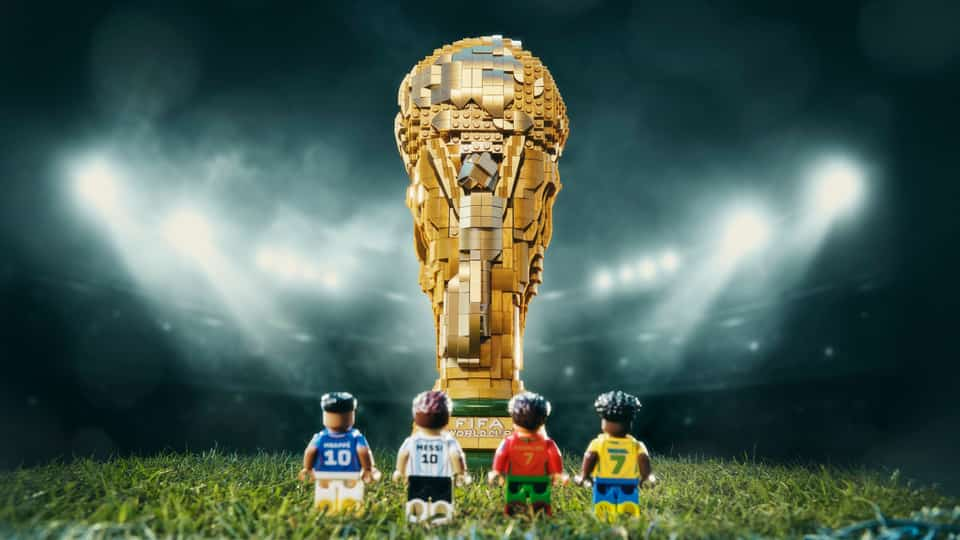
Lego, 'Everyone Wants a Piece' Campaign
Campaign Overview
Released ahead of the 2026 FIFA World Cup, LEGO’s Everyone Wants a Piece campaign reimagined football through the brand’s signature lens of creativity, imagination, and play. The campaign transformed football culture into a LEGO-built world, celebrating the idea that everyone wants to be part of football’s biggest stage.
Rather than focusing on competition or elite athleticism, the campaign highlighted the universal excitement that surrounds the World Cup and the role football plays in bringing people together.
Why the Campaign Worked
The campaign stood out because it offered a completely different perspective on football marketing.
While many World Cup campaigns rely on intensity, rivalry, and star power, LEGO focused on creativity, nostalgia, and joy. The visual execution was immediately recognizable and highly shareable, allowing the campaign to cut through a crowded advertising landscape.
The concept also appealed across generations, connecting children discovering football for the first time with adults who grew up with both the sport and the LEGO brand.
Core Marketing Strategy
LEGO leveraged its distinctive brand assets to create a football campaign that only LEGO could make.
The campaign combined nostalgia-driven storytelling, playful visual design, and cultural relevance to build emotional engagement. Rather than competing with sports brands on performance credentials, LEGO positioned itself around imagination and inclusivity.
The creative was also designed to perform across social channels, where visually distinctive content tends to generate stronger engagement and sharing.
Campaign Impact and Results
The campaign received significant attention across creative and marketing communities for its originality and execution.
It generated strong social engagement, expanded LEGO’s relevance within popular culture, and demonstrated how brands outside the sports category can successfully participate in major sporting events without relying on traditional sponsorship approaches.
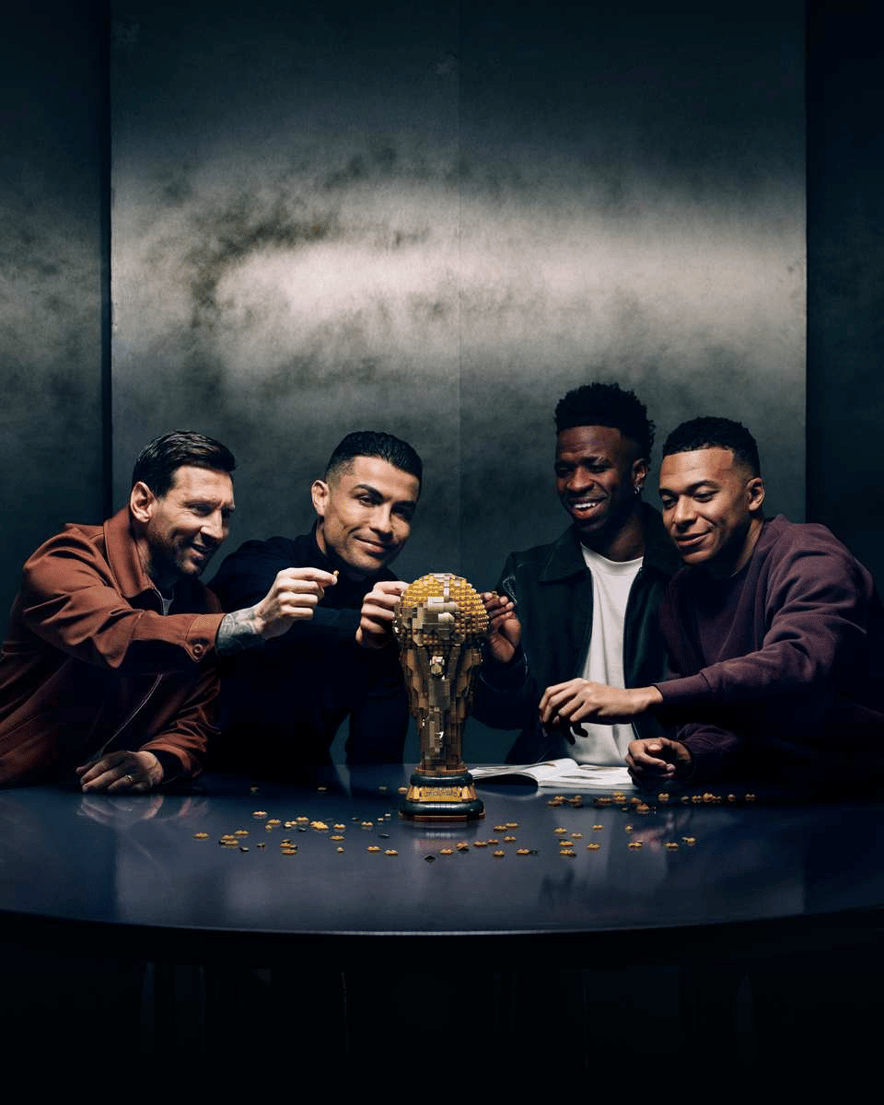
Lego, 'Everyone Wants a Piece' Campaign
Duracell: Messi Battery-Powered Campaign (2026)
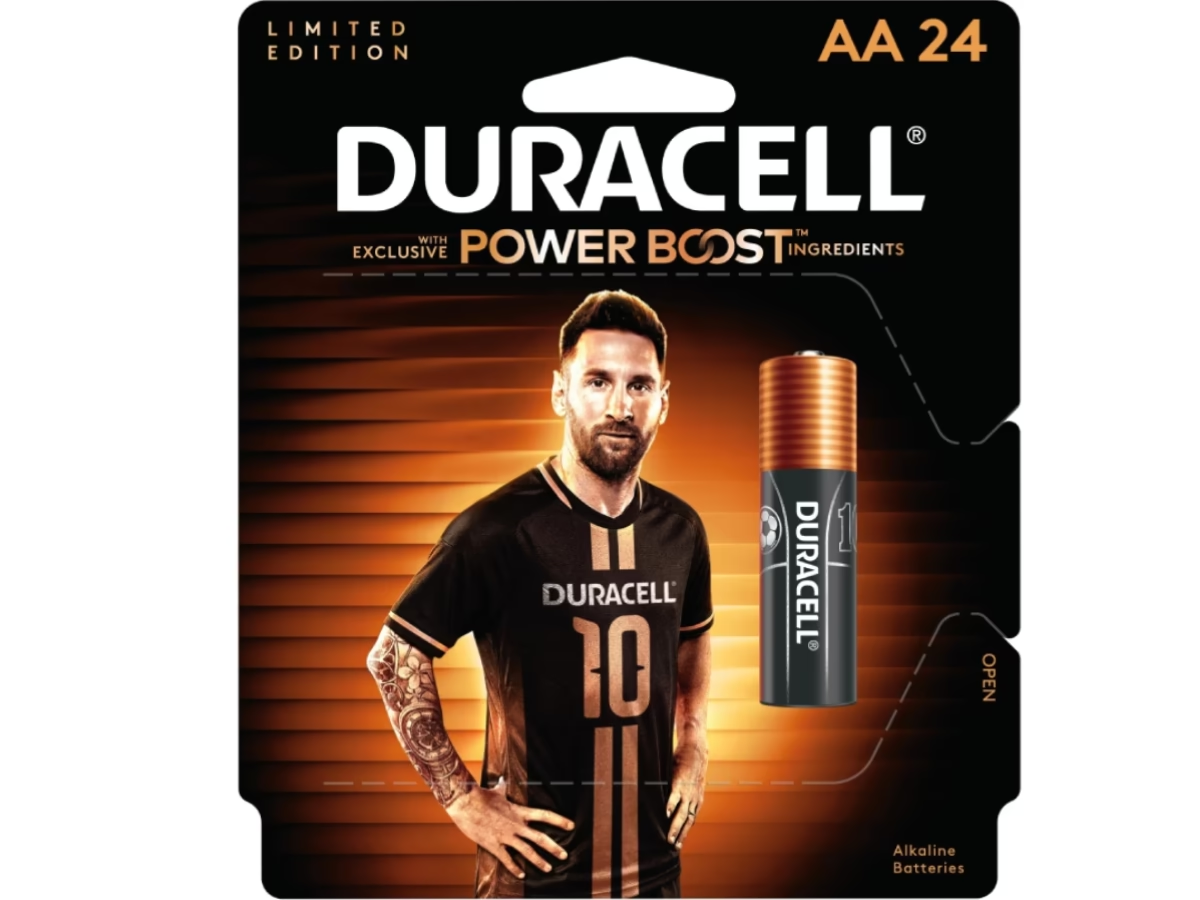
Duracell, Messi Battery-Powered Campaign
Campaign Overview
For the 2026 World Cup cycle, Duracell partnered with Lionel Messi to create a campaign built around one simple idea: some people seem to have endless energy. The creative playfully suggested that Messi’s legendary stamina, consistency, and longevity could only be explained by one thing: he was powered by Duracell.
Using humor, visual exaggeration, and one of the world’s most recognizable athletes, the campaign transformed a functional product benefit into an entertaining piece of football marketing.
Why the Campaign Worked
The campaign succeeded because it communicated its message instantly.
Audiences immediately understood the connection between Messi’s relentless performance and Duracell’s long-standing positioning around lasting power. The simplicity of the concept made it highly memorable while also lending itself naturally to social media sharing and adaptation.
The campaign also benefited from Messi’s unique status within global football, allowing Duracell to borrow credibility, admiration, and cultural relevance from one of the sport’s most celebrated figures.
Core Marketing Strategy
Duracell used athlete-led storytelling to create a direct association between product performance and sporting excellence.
The campaign relied on a clear visual metaphor, humour-driven creative, and short-form content designed for modern consumption habits. Rather than building a complex narrative, Duracell focused on a single memorable idea that could be easily understood across languages and markets.
This simplicity made the campaign highly scalable and effective across both traditional and digital channels.
Campaign Impact and Results
The campaign generated strong online engagement and significant attention across football and marketing audiences.
By leveraging Messi’s global popularity, Duracell increased brand visibility during one of the world’s largest sporting events while reinforcing its core brand promise around power and endurance. The campaign also demonstrated the effectiveness of simple, insight-driven creative in an era increasingly dominated by short-form content.
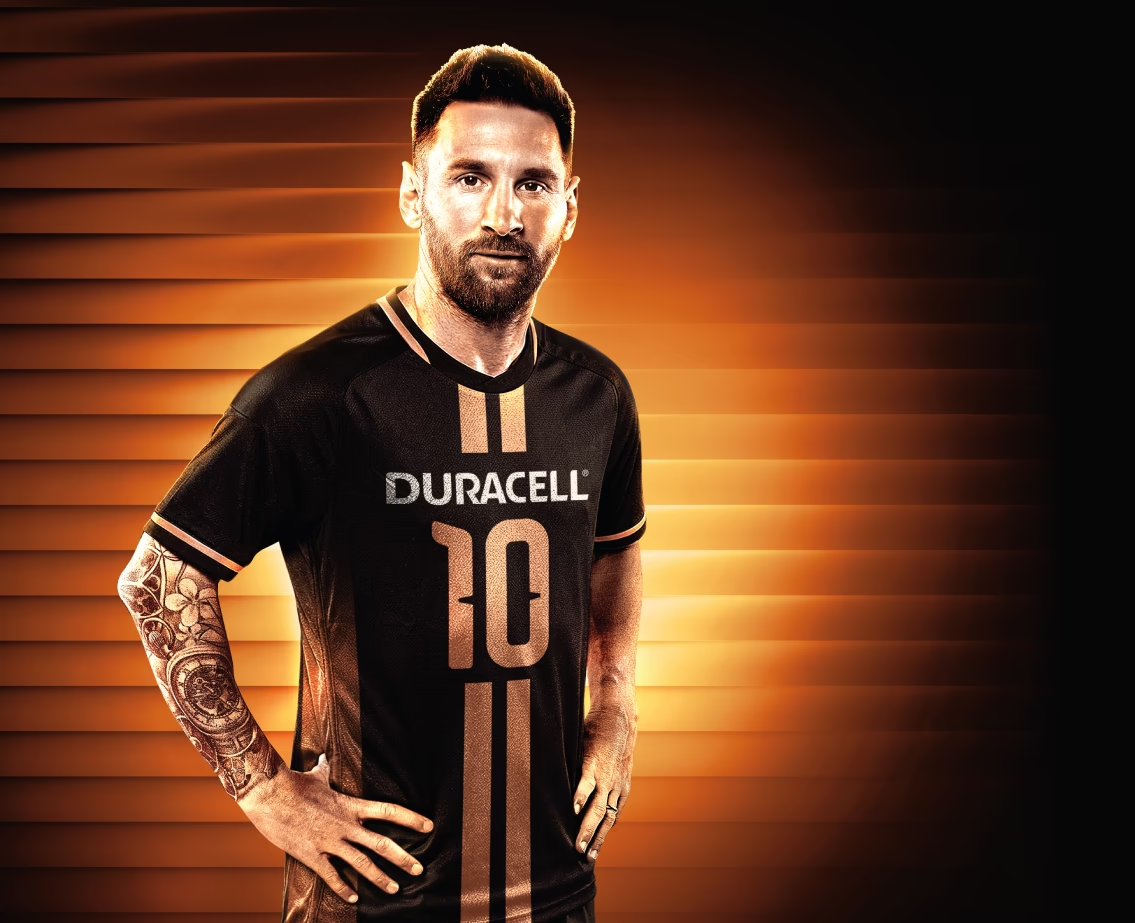
Duracell: Messi Battery-Powered Campaign
Carlsberg: “Old Lions” (2006)
Campaign Overview
Carlsberg’s Old Lions campaign celebrated a generation of loyal England supporters whose passion for football had endured despite years of heartbreak. Rather than focusing on star players or tournament predictions, the campaign told the story of ordinary fans whose belief in their national team remained unwavering.
Set against the backdrop of England’s World Cup journey, the campaign used humour, nostalgia, and emotional storytelling to capture the unique experience of supporting a football team through both triumph and disappointment.
Why the Campaign Worked
The campaign resonated because it felt authentic.
While many football advertisements focus on elite athletes and dramatic sporting moments, Old Lions focused on the people who make football culture possible: the supporters. The campaign reflected the hopes, rituals, and emotional investment that define fandom, making it instantly relatable to audiences.
Its combination of humor and heartfelt storytelling also helped the campaign stand out in a category often dominated by action-heavy creatives.
Core Marketing Strategy
Carlsberg positioned itself as an integral part of the football viewing experience.
The campaign centred on fan culture, shared rituals, and community, reinforcing the connection between football and social occasions. Rather than celebrating victory, Carlsberg celebrated loyalty, a more enduring insight.
By focusing on supporters rather than players, the brand created a distinctive position within football marketing while strengthening its association with pubs, gatherings, and matchday traditions.
Campaign Impact and Results
Old Lions became one of the most memorable football campaigns of its era and remains a frequently referenced example of fan-first sports marketing.
The campaign strengthened Carlsberg’s long-standing association with football culture and demonstrated the effectiveness of emotionally driven storytelling in sports advertising. More broadly, it helped pave the way for future campaigns that focused on supporters rather than athletes, a strategy that has since become common across major sporting events.