Programmatic advertising is now the backbone of digital media buying in 2026. In this guide, you’ll learn how it works, how the ecosystem fits together, what formats and buying models are available, and how to build a smarter, future-ready programmatic strategy.
Guide
The ultimate guide to programmatic advertising
/the-ultimate-guide-to-programmatic-advertising_880x664.jpg?width=880&height=664&name=the-ultimate-guide-to-programmatic-advertising_880x664.jpg)
Quick Links
- What Is Programmatic Advertising
- The Programmatic Ecosystem
- How Programmatic Advertising Works
- Why Programmatic Advertising Is Important
- Programmatic Formats
- How to Buy Programmatic Media
- How to Create Programmatic Display Advertising
- What Is Programmatic Creative
- The Future of Programmatic Advertising
Chapter 1: What is Programmatic Advertising? (2026 Edition)
Programmatic advertising has evolved significantly from being the so-called “black box” of online marketing. While it once felt like a complex web of acronyms and automation, today it’s the foundation of digital media buying, delivering both performance and precision at scale.
At its core, programmatic advertising is the automated process of buying and selling digital ad space using software and machine learning algorithms. It replaces the traditional manual approach, involving sales reps, insertion orders, and lengthy negotiations, with an instant, data-driven system where ads are bought and sold in real time.
From an advertiser’s perspective, it means bidding on inventory across websites, apps, and platforms based on defined targeting criteria. From a publisher’s side, it means selling that inventory dynamically to the highest bidder. This exchange happens in milliseconds, behind the scenes, as a user loads a webpage, app, or video stream.
The Three Main Types of Programmatic Advertising
1. Real-Time Bidding (RTB)
Also known as real-time bidding, this process sets inventory prices through a live auction that occurs as a user loads a page. Open to both advertisers and publishers, RTB remains a cost-effective way to purchase digital ad space at scale. While still one of the most widely used methods in programmatic advertising, it’s now often combined with more controlled buying models to balance reach with transparency and brand safety.
2. Private Marketplaces (PMPs)
An invite-only process where publishers offer available inventory to selected buyers. The publisher sets prices and restrictions, but deals can be tailored to campaign objectives, such as audience reach, attention metrics, or viewability thresholds. Due to the invite-only structure, fewer advertisers are competing for impressions, offering greater control and improved brand safety compared to open auctions.
3. Programmatic Guaranteed (PG)
Also known as programmatic guaranteed, this is a direct transaction between buyer and seller. It allows publishers to control pricing and inventory while giving advertisers access to premium placements with full transparency. In 2026, this method is increasingly used for high-value formats like CTV and DOOH, where guaranteed delivery and brand safety are essential.
Programmatic in 2026: More Than RTB
While RTB still plays a key role, the current programmatic landscape is much broader and more mature. Buyers and publishers now have more nuanced options for how they trade inventory, choosing between open marketplaces for scale, PMPs for control, and PG for reliability.
What’s more, advances in AI and data privacy have introduced new targeting and measurement methods, including:
- Contextual targeting powered by machine learning
- Predictive audience modeling using clean rooms and CDPs
- Attention-based bidding strategies
Why It Matters
Programmatic advertising allows brands to:
- Reach the right user, at the right time, in the right context
- Optimise performance with real-time data
- Scale campaigns across formats and devices from mobile display to CTV and digital out-of-home
- Reduce waste by minimising irrelevant impressions
Chapter 2: The Programmatic Ecosystem (2026 Edition)
To truly understand programmatic advertising, you need to understand the ecosystem that makes it work. At a glance, it’s a complex network of platforms, technologies, and data layers, but once you grasp the core components, the logic behind it becomes clear.
Programmatic is powered by software platforms that connect buyers (advertisers) with sellers (publishers) through real-time auctions and pre-negotiated deals. These platforms analyse data, manage bids, deliver creative, and track performance — all in milliseconds.
The Four Core Components
1. Demand-Side Platform (DSP)
A DSP is the platform advertisers use to buy media programmatically. It enables marketers to set targeting parameters, upload creatives, define budgets and bids, and access multiple ad exchanges. Leading DSPs in 2026 often include built-in AI optimisation, predictive bidding, and integrations with clean rooms, CMPs, and CDPs.
2. Supply-Side Platform (SSP)
Publishers use SSPs to manage, sell, and optimise their available ad inventory. They help surface the best opportunities to demand partners, dynamically adjust floor prices, and manage yield. SSPs also support various selling models (RTB, PMP, PG), and in 2026, increasingly integrate sustainability tools and identity resolution.
3. Ad Exchange
The ad exchange acts as a digital marketplace where DSPs and SSPs meet. It facilitates the actual buying and selling of impressions, typically via real-time bidding. Most modern DSPs now connect to multiple ad exchanges, enabling advertisers to scale across thousands of sites and apps instantly.
4. Data Platforms
Data is the lifeblood of programmatic advertising. These are the key data tools in the 2026 ecosystem:
- DMP (Data Management Platform): Organises audience segments, often using third-party data. Less central than it once was due to privacy regulations.
- CDP (Customer Data Platform): Collects and unifies first-party data from across a brand’s ecosystem (web, CRM, app). CDPs are crucial for privacy-safe targeting in a post-cookie world.
- Clean Room: A secure environment where first-party data from brands and publishers can be matched, without exposing personally identifiable information (PII). Clean rooms are now essential for compliant measurement and custom audience activation.
Creative Management Platforms (CMPs)
CMPs like Bannerflow sit alongside these platforms to enable creative production, management, and optimisation. They allow marketing teams to:
- Build and adapt dynamic creative templates
- Localise ads at scale
- Integrate live data feeds
- Run real-time A/B testing
- Publish directly to ad networks or DSPs
CMPs have become critical infrastructure for modern marketing teams managing high-volume, multi-market campaigns.
The 2026 Stack Is Smarter, Safer, and More Integrated
Today’s ecosystem is smarter and more privacy-aware than ever. In response to third-party cookie deprecation and evolving regulations, platforms are working together to offer:
- Identity frameworks based on consented first-party data
- Contextual and semantic targeting powered by AI
- Enhanced brand safety and sustainability scoring
- Interoperability between media, data, and creative tools
Summary:
Programmatic success in 2026 means more than plugging into a DSP. It means orchestrating a tech stack that includes clean, consented data, scalable creative tools, and platforms that can adapt to evolving privacy and performance demands.
Chapter 3: How Programmatic Advertising Works — Step by Step (2026 Edition)
Programmatic advertising happens in milliseconds; however, it's important to note that the process follows a clear sequence of steps. Understanding this flow helps marketers see how targeting, creative, and data come together to deliver an ad to the right person, in the right place, at the right time.
Let’s break it down.
The Programmatic Flow: Step-by-Step
Step 1: A user visits a website, app, or streaming platform.
The page begins to load, and behind the scenes, the publisher triggers a request for an ad to fill the available space.
Step 2: The publisher’s SSP lists the ad space for auction.
This includes metadata about the user (device, location, browser, consent signals) and the context (URL, category, ad format).
Step 3: The SSP sends bid requests to multiple DSPs.
Each DSP evaluates the opportunity based on the advertiser’s targeting rules: audience match, frequency caps, brand safety filters, time of day, etc.
Step 4: The DSP determines a bid value and returns an ad creative.
Using AI and bidding algorithms, the DSP calculates how much to bid and which creative to serve. It submits the bid instantly.
Step 5: The SSP selects the winning bid.
The SSP runs the auction and picks the highest valid bid, taking into account publisher floor prices and bidding strategies.
Step 6: The winning ad is served to the user.
The ad is rendered on the page, often before the user has finished scrolling.
Step 7: The impression is logged, and data is captured.
Tracking pixels and measurement partners log views, clicks, interactions, viewability, and other metrics, feeding real-time dashboards.
Bidding Methods in 2026
While RTB is still core, programmatic buying strategies have evolved. You’ll likely encounter:
- Header Bidding: Allows multiple DSPs to bid simultaneously, increasing competition and publisher revenue. Considered more transparent than waterfall models.
- Client-Side vs. Server-Side Bidding: Determines where the auction logic occurs — in the user’s browser or on the server. Server-side is faster and more private.
- Hybrid Bidding Models: Mix client and server logic to optimise both speed and control.
What’s Changed Since 2023?
- Consent Frameworks: GDPR and CCPA enforcement has made bid requests cleaner and more transparent. Non-consented data is filtered out before bidding.
- AI in Bidding: Most leading DSPs now use machine learning to dynamically adjust bids based on predicted conversion likelihood, attention, and lifetime value (LTV).
- Creative Matching: Advanced DCO engines ensure that the most relevant creative variation is matched to the user — dynamically and automatically.
Summary:
Programmatic may be fast and invisible, but understanding the flow helps marketers make smarter decisions about where their ads appear, how they perform, and what levers they can pull to optimise results.
Chapter 4: Why Programmatic Advertising Is Important (2026 Edition)
Programmatic advertising isn’t just a way to buy ads faster. It’s a fundamental shift in how brands connect with consumers. In 2026, it combines automation, real-time data, and AI to give marketers more power, precision, and control than ever before.
Whether your goal is brand awareness, conversions, or retargeting, programmatic lets you reach the right audience, with the right message, at the right time across every channel.
1. Smarter Budget Allocation
Programmatic platforms let you allocate budget toward high-performing placements and audiences in real time. Instead of locking into upfront deals, you can adjust based on performance, day by day, or even minute by minute.
As pointed out by Nielsen in their annual marketing report, over half (54%) of global respondents are planning to cut ad spending in 2026, which means a higher focus on ROI. This efficiency helps eliminate waste and ensures your ad spend goes further. AI algorithms optimise for your campaign objective, be it reach, clicks, conversions, or attention.
2. Real-Time Optimisation
In traditional media buying, you might get a performance report weeks after a campaign ends. With programmatic, you get performance data instantly.
This means:
- Pause or boost campaigns live
- Swap out creatives in response to trends
- Refine audiences based on real-time behaviour
- Run A/B tests continuously
3. Total Transparency
Programmatic gives you visibility into:
- Where your ads are served
- How much each impression costs
- What portion of your spend goes to media, tech, or fees
In 2026, most brands demand full transparency from their DSPs, including log-level data, supply path reporting (SPO), and carbon impact tracking.
4. Smarter Targeting Without Overreliance on Personal Data
With privacy laws tightening and third-party cookies fading out, programmatic targeting has evolved.
Modern approaches include:
- Contextual targeting: Matching ads to the content, not the person
- First-party data activation: Using your own CRM or CDP data to reach known customers
- Predictive audiences: AI-generated lookalike segments based on intent signals
- Clean room targeting: Privacy-safe audience matching without exposing identities
5. Multi-Channel, Multi-Format Reach
Today’s audiences move fluidly between platforms, devices, and content types. Programmatic lets your brand move with them.
With one campaign, you can deliver messages across:
- Display banners
- Native articles
- In-stream and out-stream video
- Programmatic audio
- Connected TV (CTV)
- In-app inventory
- Digital out-of-home (DOOH)
- Even in-game environments
Stat check:
As of 2026, programmatic accounts for over 85% of total digital ad spend globally, according to eMarketer, up from 72% just a few years ago.
Summary:
Programmatic is more than a buying method; it’s the foundation of modern, responsive, data-driven marketing. It puts the power of automation and performance directly into the hands of marketers, helping teams scale, optimise, and win.
Chapter 5: What Are the Different Formats of Programmatic Advertising? (2026 Edition)
Programmatic advertising now covers a vast array of formats from the familiar banner ad to advanced interactive video and digital billboards.
Here's a breakdown of the key formats and how they’re evolving in 2026:
1. Display Advertising
The backbone of programmatic. Display ads appear on websites, mobile apps, and in-app browsers in standard IAB sizes.
But static banners are fading. In 2026, display is:
- Dynamic: Content adapts in real-time based on data signals
- Personalised: Messaging changes per user, device, or location
- Responsive: Designs scale across screens and breakpoints
Brands use CMPs (like Bannerflow) to automate display production and manage hundreds of versions at once.
2. Video Advertising
Video continues to be one of the most engaging formats — especially on mobile and CTV.
Two main categories:
- Instream: Plays before/during/after video content (e.g., YouTube pre-roll)
- Outstream: Autoplay videos embedded within articles or social feeds
Programmatic video buying allows for precise audience targeting and performance tracking. CTV is now one of the biggest growth areas here.
3. Native and Social
Programmatic native ads are styled to match the content around them, blending in with editorial or platform layouts.
Examples include:
- Sponsored articles
- In-feed social posts
- Native display units on publisher sites
DSPs increasingly offer direct integrations with social platforms like TikTok, Meta, Pinterest, and LinkedIn for programmatic-style buying.
4. Programmatic Audio
Streaming audio platforms like Spotify, Acast, and digital radio stations now sell inventory via DSPs.
Advertisers can:
- Target by genre, mood, location, or playlist
- Use DCO to adapt audio messages in real time
- Extend brand presence into voice environments (e.g., Alexa, smart speakers)
Audio is particularly strong for brand recall and sequential storytelling.
5. Digital Out-of-Home (DOOH)
Digital billboards and signage in airports, malls, stations, and cities are now part of the programmatic universe.
With DOOH, you can:
- Target by time of day, weather, or foot traffic
- Run dynamic creatives (e.g., showing different messages by location)
- Extend omnichannel campaigns into the physical world
More DOOH is traded programmatically each year, with creative tailored to moment and place.
6. Connected TV (CTV)
Programmatic CTV allows you to serve ads on streaming platforms like Hulu, Roku, Amazon Prime Video, and others, often with household-level targeting.
Benefits:
- Premium content
- High viewability
- Cord-cutter reach
- Brand-safe environments
Most CTV is now sold via programmatic guaranteed or PMP to ensure inventory quality and control.
7. In-Game Advertising
Gaming is a massive and growing attention channel. Programmatic in-game ads appear:
- On virtual billboards
- In racing tracks or stadiums
- As a reward for videos in mobile games
These formats are often bought via open exchanges or specialised gaming SSPs.
Summary:
Programmatic is no longer just about display ads. It’s a cross-format engine that touches nearly every part of the digital (and physical) advertising landscape, all with real-time control and data-driven insight.
Chapter 6: How to Buy Programmatic Media (2026 Edition)
Before launching any programmatic campaign, it’s critical to start with a strategic foundation.
Ask These Questions First:
- Who is our target audience?
What do we know about them? Can we reach them using first-party data or context? - What’s the goal of this campaign?
Brand awareness, traffic, lead generation, sales? - Which channels and formats are most relevant?
Are we activating display, video, CTV, DOOH, native, audio, or a combination? - How will we measure success?
Clicks? Attention metrics? Conversions? Reach? - What data assets do we have?
Do we have a CDP? Do we need a clean room for matching? What about lookalike modeling?
Choosing the Right DSP
Not all DSPs are created equal. When selecting one, consider:
- Channel capabilities: Does it support the formats and inventory you need (e.g., CTV, DOOH)?
- Audience reach: Can it access your target markets efficiently?
- Data integrations: Does it work with your DMP/CDP and preferred clean rooms?
- Creative integrations: Can you easily deploy creative via your CMP (like Bannerflow)?
- Transparency: Does it offer supply path optimization (SPO), log-level data, and fee transparency?
- Support: Will you have a managed service team, self-serve tools, or both?
Pro Tips:
- Look for DSPs that support AI-based bid strategies.
- Consider carbon scoring if sustainability is a brand priority.
- Use frequency caps and attention-based buying to avoid overexposure and increase engagement.
Summary:
Choosing the right programmatic partners and platforms sets the foundation for a scalable, transparent, and high-performing campaign.
Chapter 7: How to Create Programmatic Display Advertising (2026 Edition)
Creating ads for programmatic isn’t about designing one banner — it’s about building flexible, adaptable creative systems that respond to your audience and environment.
Two Ways to Create Programmatic Ads
1. Without a CMP
It’s possible to manually create HTML5 banners using design tools and hand-coding. But it’s:
- Slow
- Hard to scale
- Prone to errors
- Dependent on specialised talent
This approach is not viable for multi-market, multi-audience campaigns.
2. With a Creative Management Platform (CMP)
Platforms like Bannerflow allow you to:
- Build once, scale infinitely
- Localise text, imagery, and data feeds
- Integrate with your DSP for seamless publishing
- Run dynamic creatives without coding
- Set up A/B testing and real-time optimisations
Benefits of Using a CMP
- Creative agility: Launch new variants quickly
- Brand governance: Maintain consistency across markets
- Performance lift: Test and optimise variations at scale
- Collaboration: Bring designers, marketers, and data teams into one workspace
Summary:
In 2026, CMPs are essential to delivering data-driven creative at scale. They turn creative operations into agile, performance-oriented systems.
Chapter 8: What Is Programmatic Creative? (And Why It Matters in 2026)
Programmatic creative is the use of automation, data, and design tools to deliver more relevant and engaging ads dynamically and at scale.
1. What Is Programmatic Creative?
It includes:
- Dynamic creative templates
- Data-driven content variations
- Automated testing and optimisation
- Real-time decision-making on what creative to show
Programmatic creative enables marketers to scale campaigns across countries, audiences, and moments, without compromising quality or speed.
2. Why Use Programmatic Creative?
Because the creative is the #1 driver of ad performance. In a sea of automation, the right visual, message, and tone still make the biggest difference.
Benefits:
- Better performance
- Faster speed-to-market
- More relevance per impression
- Greater control over branding
3. Why the “Creative” Part Is So Important
AI can automate targeting, bidding, and placements, but only great creative resonates.
“Personalised doesn’t mean robotic,” as marketers say. The best ads use data smartly, not creepily, to show relevance, intent, and value.
As Zoe Harris, CMO at Go.Compare, put it:
“A poor story can’t be helped in any channel, no matter the spend behind it.”
Chapter 9: The Future of Programmatic Advertising (2026 and Beyond)
Programmatic continues to evolve at high speed. The future will be shaped by a convergence of AI, privacy, creative intelligence, and sustainability.
What to Watch
1. AI-Powered Everything
- Predictive bidding
- Creative variation testing
- Copywriting and visual generation
- Audience modeling based on attention and engagement
2. The End of Cookies
- Chrome will fully sunset third-party cookies in 2026
- First-party data, clean rooms, and contextual targeting are becoming the new norm
3. Retail Media Boom
Retailers like Amazon, Tesco, Carrefour, Instacart, and Uber Eats are now media owners, and advertisers are shifting budget toward these retail networks for high-intent targeting.
4. Sustainability in AdTech
Advertisers are starting to:
- Track and reduce carbon emissions
- Choose low-energy formats and supply paths
- Demand carbon scoring from DSPs and publishers
5. Attention as the New Currency
Impressions and clicks are losing value.
Metrics like:
- Time-in-view
- Active engagement
- Scroll speed
are gaining prominence.
Summary:
The programmatic landscape is shifting fast toward smarter, safer, more sustainable, and more human advertising. Brands that embrace this evolution will gain a long-term advantage.
Glossary of Key Terms (2026 Edition)
- DSP – Platform advertisers use to buy media programmatically.
- SSP – Platform publishers use to sell their ad inventory.
- DMP – Organises data from various sources for audience targeting.
- CDP – Manages first-party customer data with privacy control.
- CMP – Platform for creating and publishing ads at scale (e.g. Bannerflow).
- RTB – Real-time auction for ad space.
- PMP – Private auction between select publishers and advertisers.
- Programmatic Guaranteed – Fixed-price inventory, automated deal.
- DCO – Dynamic Creative Optimisation — testing creative variations automatically.
- Clean Room – A privacy-safe environment for matching data between parties.
- Attention Metrics – New KPIs based on real engagement (e.g. time-in-view).
Conclusion
In 2026, programmatic advertising is no longer just about automation; it’s about intelligent, connected marketing. It gives brands the tools to move fast, stay relevant, and connect with audiences on their terms.
But technology alone isn’t enough.
The brands that win will be those that:
- Pair automation with creative excellence
- Prioritise privacy and transparency
- Embrace new formats and channels
- Collaborate across data, media, and design teams
At the heart of all of this is the creative, and with Bannerflow, teams can scale that creativity, adapt it in real time, and bring campaigns to life across every channel and format.
Programmatic is the infrastructure. Creative is the experience. Bannerflow makes them work together.
Where to go next
Once the buying side is clear, the next question is how to produce creative for every placement.
- Manage every channel from one platform: centralize creative production, publishing and optimization across display, social, email, DOOH and retail.
- The Bannerflow Half Year Report: creative and campaign performance in H1 2026 across six verticals and 300+ brands.
- The Bannerflow Study on Creativity and Data: a study of 300 marketers on why data is not translating into better creative performance, and what top teams do differently.
The Bannerflow Blog
Stay ahead of the curve
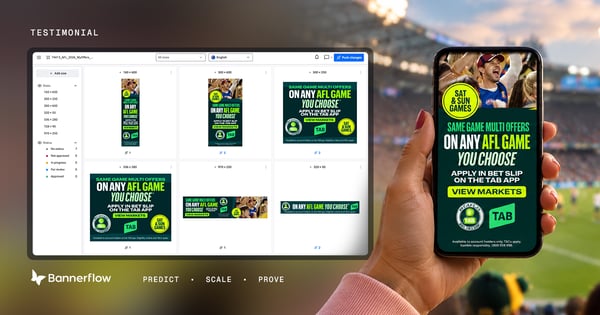
How Tabcorp turns hours of ad production into minutes with Bannerflow
Ad Technology & Automation
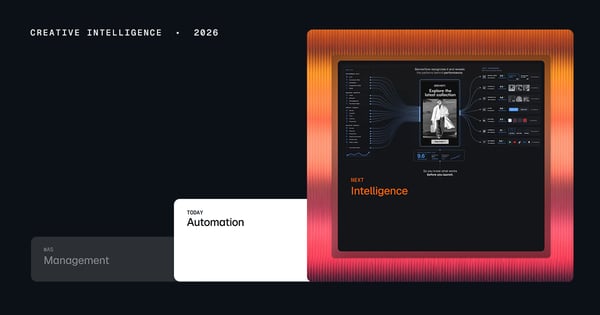
What Is Creative Intelligence in Advertising?
Ad Technology & Automation
What Are HTML5 Ads? (And Why They Beat Static & GIF)
Ad Creativity
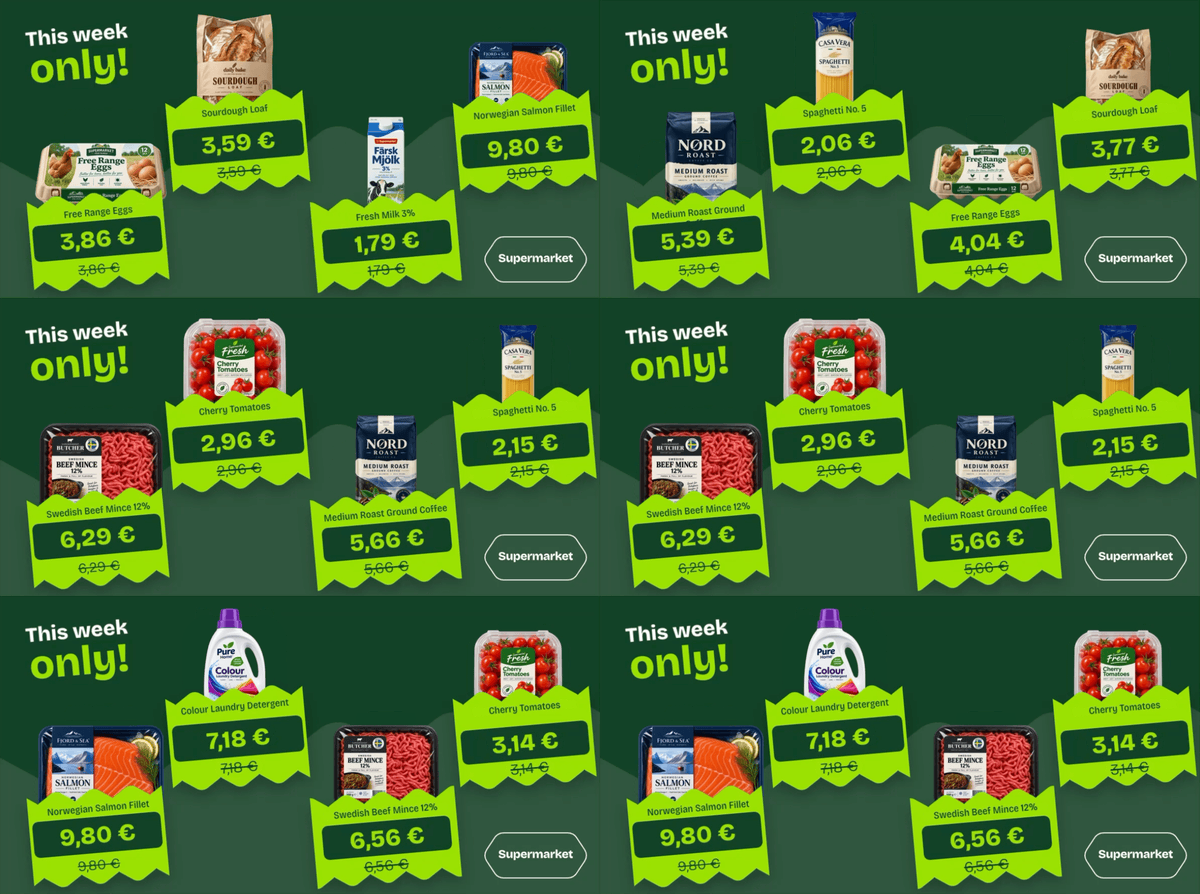
The Best Supermarket Ads, and the Ten Formats Behind Them
Advertising & Marketing Strategy
Why Supermarket Brands Use Bannerflow
Ad Technology & Automation
8 things to know about creative automation platforms
Ad Technology & Automation